Our Work
Rehumanising a Divided World
At Building Bridges for Peace, we believe that even in the deepest divisions, there is the possibility of connection, understanding and change.Conflict is part of being human. But violence, hatred and dehumanisation do not have to be inevitable responses.
We believe that when we begin to see one another as human beings, rather than as enemies, labels or positions, something can change. New possibilities emerge, even when our differences remain. Our work is rooted in a simple but profound belief: we can challenge without blaming, understand without agreeing, and listen without abandoning our own values.
We do not offer easy answers or ask people to set aside their experiences of hurt or injustice. Instead, we create opportunities for courageous conversations, where different perspectives can be heard and where curiosity can begin to replace judgement.
We believe empathy is not a limited resource. We can have empathy for people on different sides of a conflict without justifying harm or losing sight of accountability. This is what we mean by unbounded empathy. Our work is about putting these beliefs into practice — in schools, communities, organisations and places affected by conflict.
It is about helping people recognise that they have choices in how they respond to conflict, and that each of us has the capacity to become a positive changemaker. Building bridges does not mean pretending our differences do not exist. It means finding ways to remain human with one another, even when those differences seem impossible to overcome.
The Story Behind Our Work
Building Bridges for Peace was founded in 2008 by Jo Berry CBE, whose father, Sir Anthony Berry MP, was killed in the IRA Brighton bombing in 1984. Two days after the bombing, Jo made a commitment to bring something positive out of the tragedy and to seek to understand those responsible. This eventually led to her first meeting with Patrick Magee in November 2000, the former IRA volunteer responsible for planting the bomb.
Jo did not meet Pat seeking an apology or forgiveness. She wanted to understand what had led him to choose violence and whether it was possible to encounter the humanity of someone responsible for such profound harm. That first meeting began an extraordinary journey of dialogue, discovery and transformation.
Over more than 25 years, Jo has taken the learning from this experience into her wider peacebuilding work, helping people explore their own conflicts, challenge dehumanisation and discover different ways of responding to division.
What began as one woman’s personal commitment to understanding has grown into a wider mission to inspire and empower others to build bridges in their own lives and communities.
What Makes Our Work Different?
Our approach is deeply personal, experiential and rooted in real encounters across profound differences. We do not offer easy answers or ask people to abandon their beliefs. Instead, we create spaces where people can explore difficult questions, listen to perspectives they may strongly disagree with, and discover new possibilities for connection.
At the heart of our work is a commitment to rehumanising those we have learnt to see as the ‘other’. We believe that empathy does not mean agreement, understanding does not mean justification, and choosing non-violence does not mean avoiding difficult conversations.
Our work encourages people to move:
- From judgement to curiosity
- From blame to understanding
- From dehumanisation to rehumanisation
- From certainty to openness
- From feeling powerless to becoming positive changemakers
We recognise that conflict is part of being human. What matters is how we respond to it. We also recognise the courage it takes to be vulnerable, to question our assumptions and to enter a conversation without knowing where it might lead. Peacebuilding is not about having all the answers. It is about creating the conditions where something new can become possible.
How We Put Our Philosophy into Practice
Peace Education and Young People
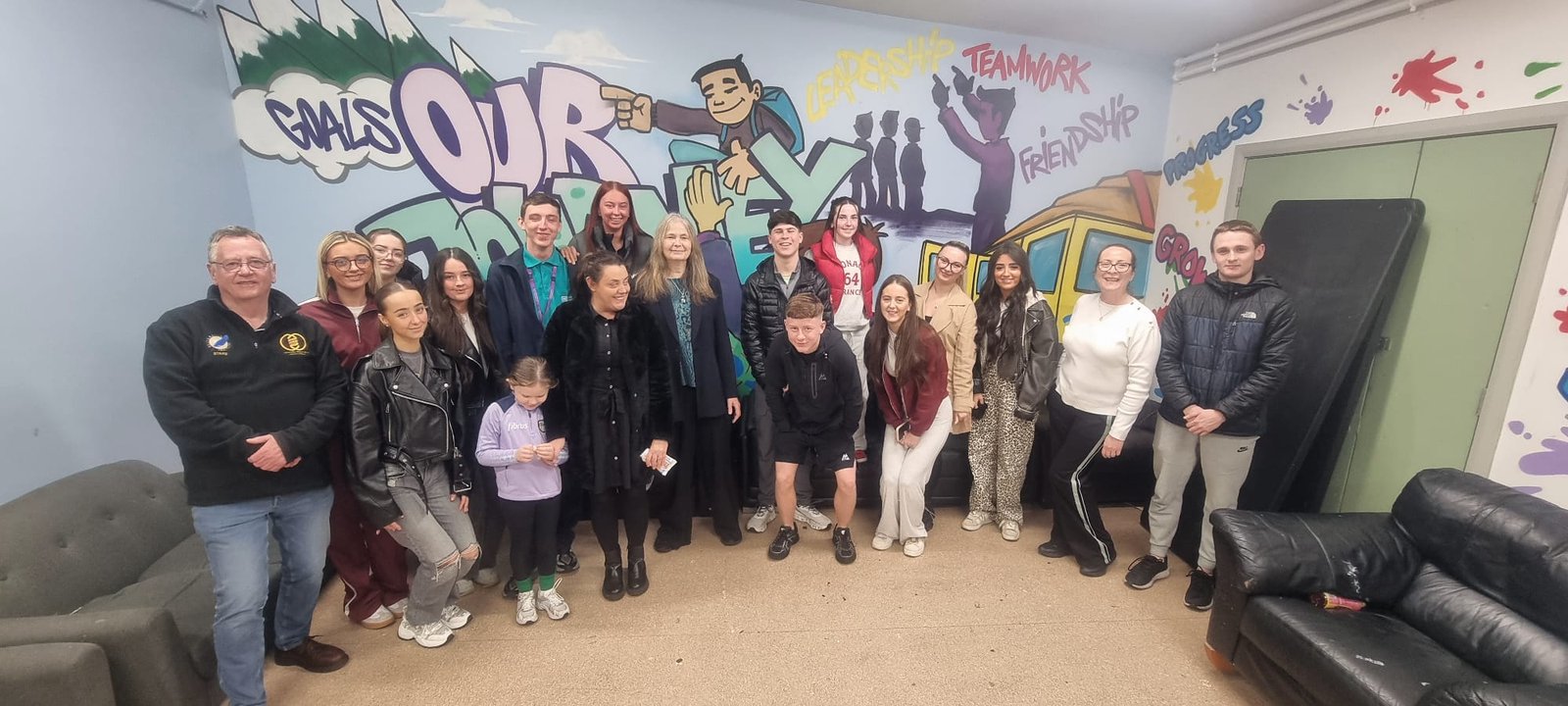
We work in schools, colleges, universities and youth organisations, inspiring young people to explore empathy, conflict, identity, belonging and the choices they make. Through personal storytelling, interactive workshops and facilitated dialogue, young people are encouraged to reflect on their own experiences of conflict and recognise their ability to become positive changemakers.
We believe young people already have many of the qualities needed to create a more peaceful world. Our role is to help them recognise and develop those strengths.
Courageous Conversations and Community Dialogue
We bring people together across differences, particularly where there has been conflict, mistrust, hurt or division. Through deep listening and carefully facilitated conversations, we create opportunities for people to feel heard, challenge assumptions and begin to see one another beyond the labels that divide them.
We do not seek to erase differences, but to explore how we can live with those differences without causing harm.
The Hardest Bridge – Film and Dialogue
The documentary The Hardest Bridge shares the remarkable journey of Jo Berry and Patrick Magee, exploring the challenges, discoveries and possibilities that have emerged from their ongoing dialogue. Screenings are followed by facilitated conversations, giving audiences the opportunity to reflect on their own experiences of conflict, the impact of dehumanisation and what it might mean to build bridges in their own lives and communities. The film is also becoming an important educational resource, helping young people and adults explore difficult questions about violence, justice, empathy and our shared humanity.
Jo Berry and Patrick Magee – A Unique Dialogue
The ongoing dialogue between Jo Berry and Patrick Magee is believed to be unique in the world, not only because of the extraordinary circumstances that brought them together, but because of its longevity, depth and reach.
Since their first meeting in 2000, Jo and Pat have sustained 26 years of dialogue, sharing their journey through hundreds of public conversations in the UK and internationally. What began as a meeting between a woman whose father was killed in the Brighton bombing and the former IRA volunteer responsible has developed into an enduring friendship and a shared commitment to building peace.
Their relationship is not about forgetting the past, excusing violence or agreeing with one another. It is about the courage to remain in dialogue across profound differences, and the possibility of discovering something new. Their continuing friendship offers a living example of the transformative potential of empathy, deep listening and human connection.
Our Impact
The impact of our work is seen not only in the conversations we facilitate, but in what people choose to do afterwards.
Over the years, we have worked with thousands of people in schools, communities, organisations and international settings, creating opportunities for reflection, understanding and positive action. Our recent work has included peace education with young people across England and Northern Ireland, workshops exploring empathy and conflict transformation, and community screenings of The Hardest Bridge followed by facilitated dialogue.
We hear from young people who feel inspired to challenge prejudice, educators who discover new ways to approach difficult subjects, and adults who begin to recognise how they can respond differently to conflict in their own relationships and communities.
Our aim is not simply to change how people think for the duration of a workshop or event, but to encourage changes that continue long afterwards.
We want people to leave with:
- Greater empathy and understanding of different perspectives
- The confidence to have difficult conversations without blame
- A deeper awareness of how dehumanisation fuels division and violence
- Practical skills in listening, dialogue and conflict transformation
- Hope that change is possible, even in the most difficult circumstances
- A renewed sense of their own ability to become a positive changemaker
Building a More Peaceful Future
We know that peace is not simply the absence of violence. It is something we create through our everyday choices, relationships and willingness to recognise the humanity in others. We cannot always change the conflicts around us, but we can change how we respond.
Every conversation is an opportunity to build a bridge. Every one of us can make a difference.
Our Funders
We are very grateful to our funders and every person who has donated. We appreciate funding from Edith Ellis, Tim Parry Johnathan Ball Foundation, Network for Social Change and Middleway Trust